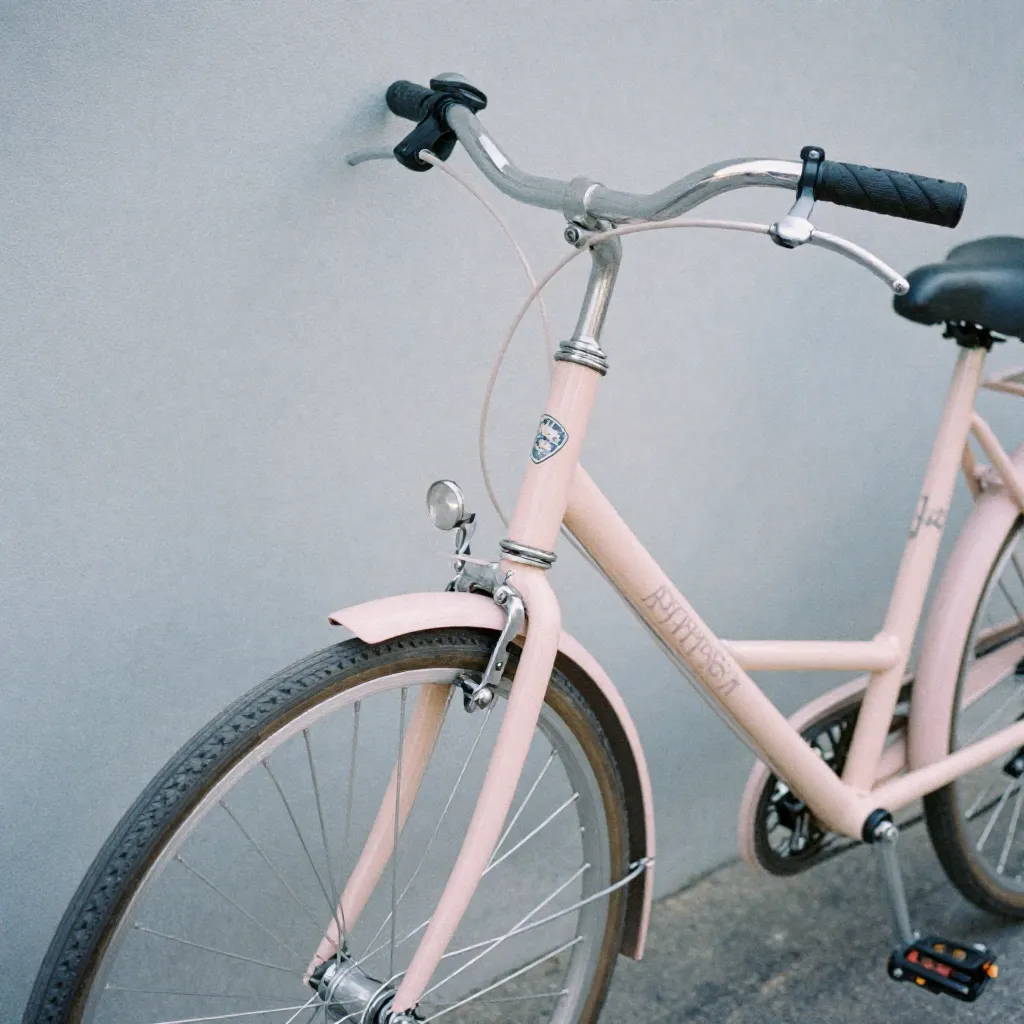
The Color-Shift Lab
Exploring custom paint finishes and color application techniques
Paint Finish Options
Various paint types and application methods create distinct visual effects suitable for different aesthetic preferences and environmental conditions.
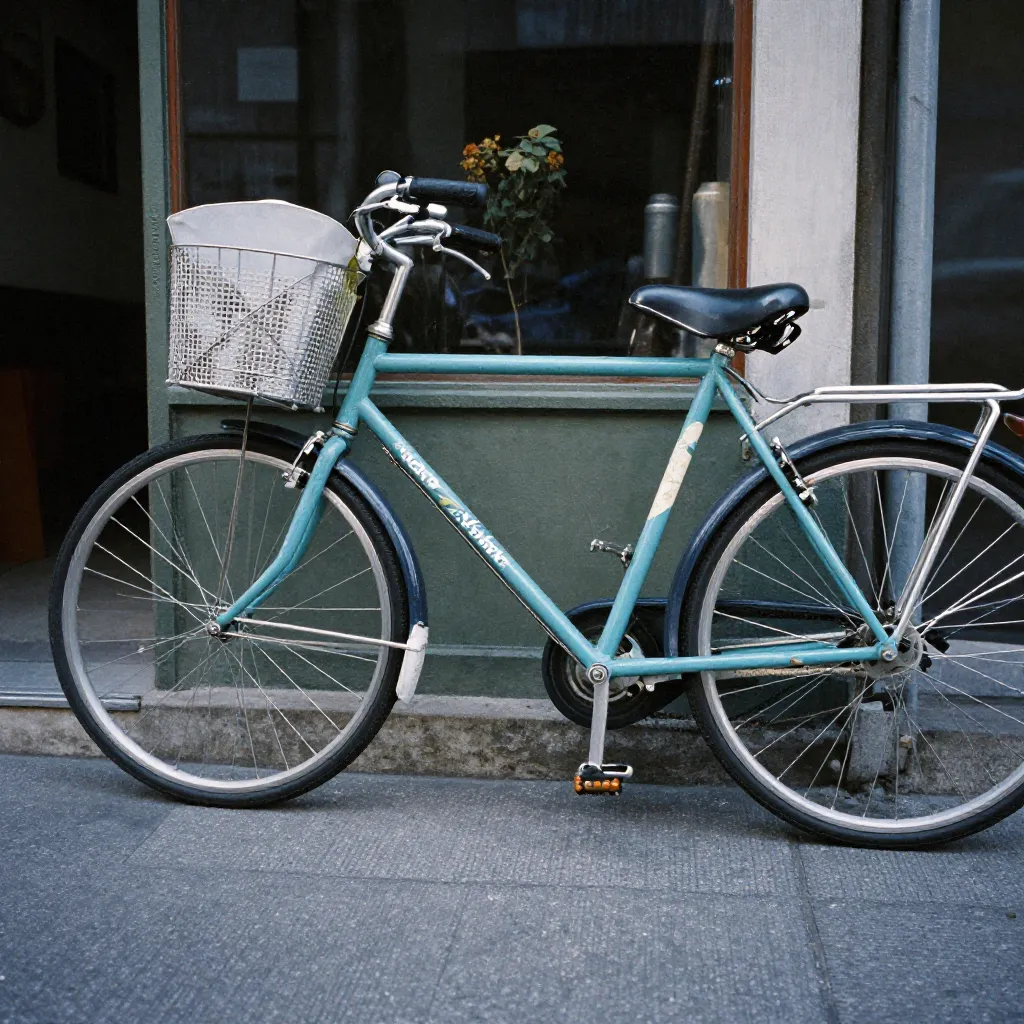
Thermo-Reactive Finishes
Color formulations that respond to temperature variations, creating subtle shifts in appearance under different conditions.
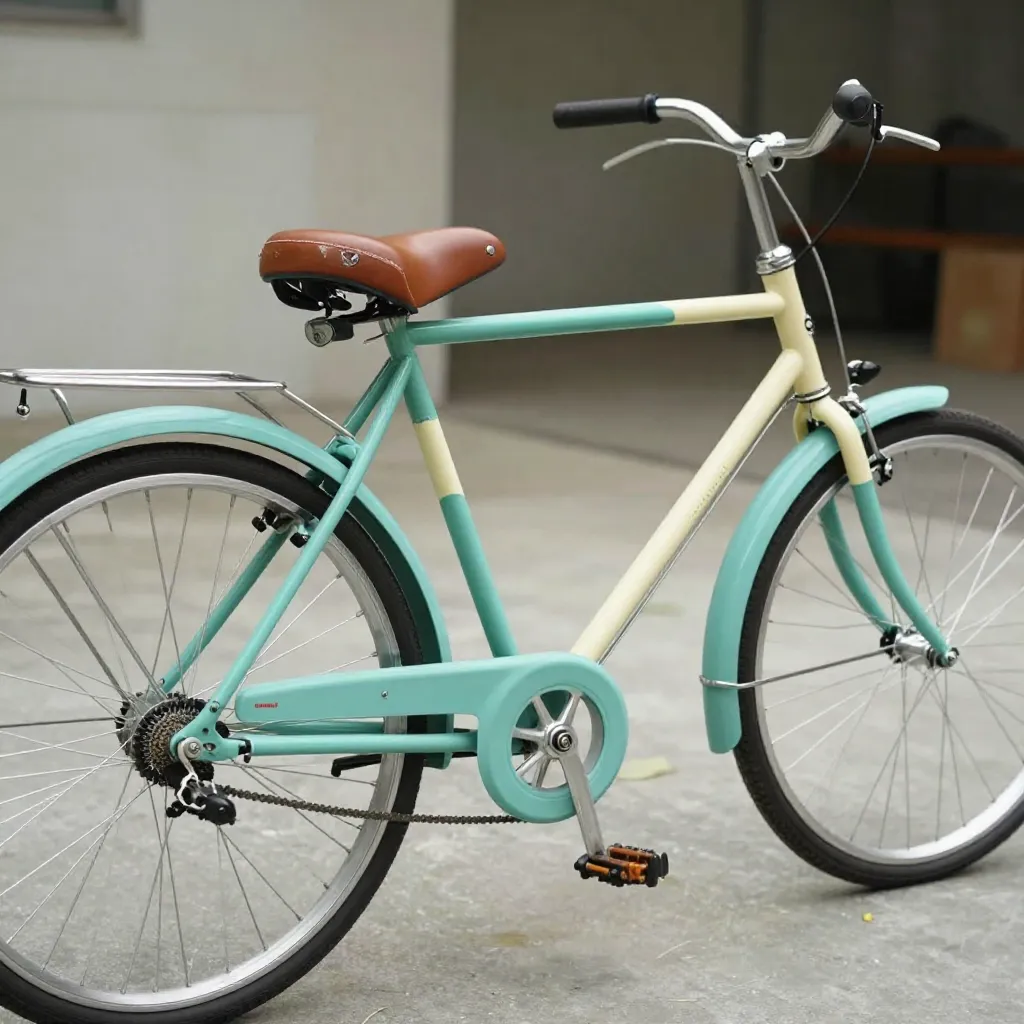
Prismatic Chrome
Reflective surface treatments that display multiple color angles depending on viewing position and light direction.
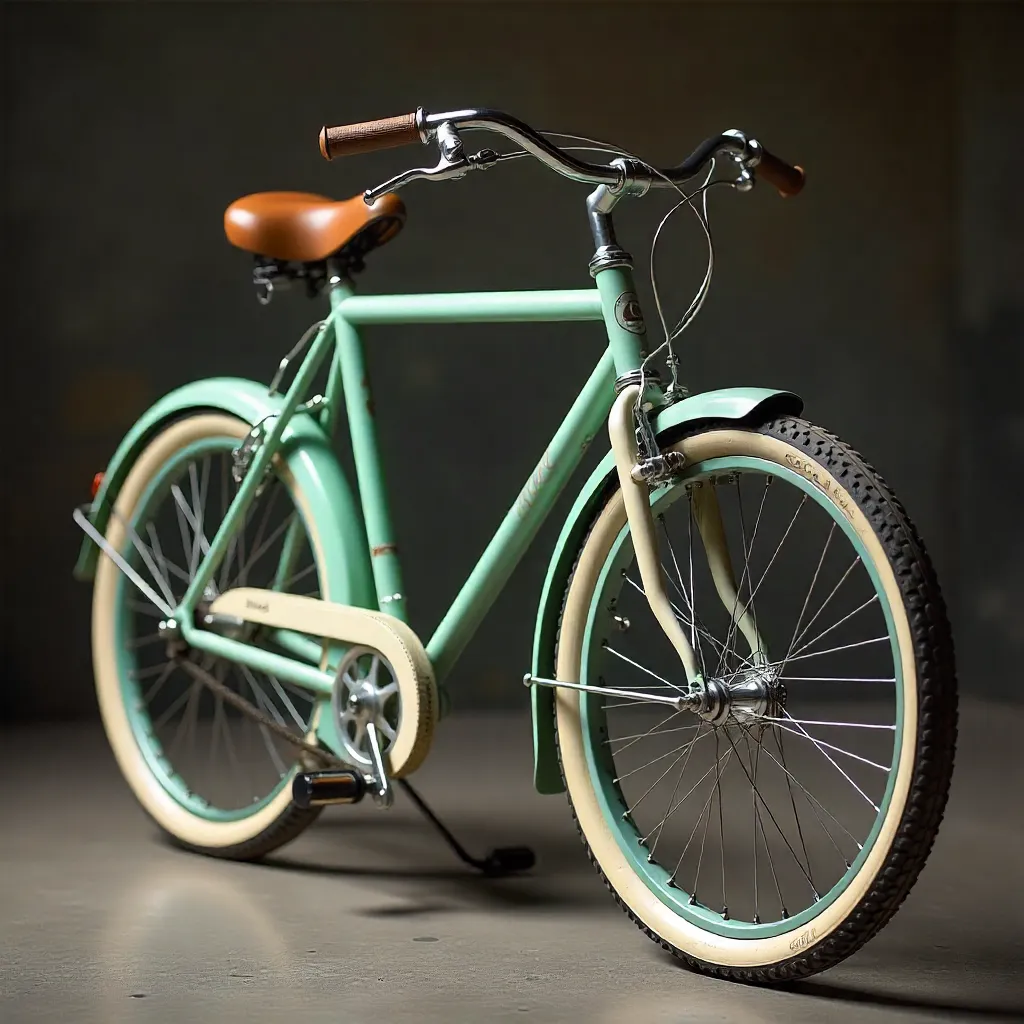
Matte Surface Treatments
Non-reflective finishes that reduce glare and create consistent appearance across different lighting situations.
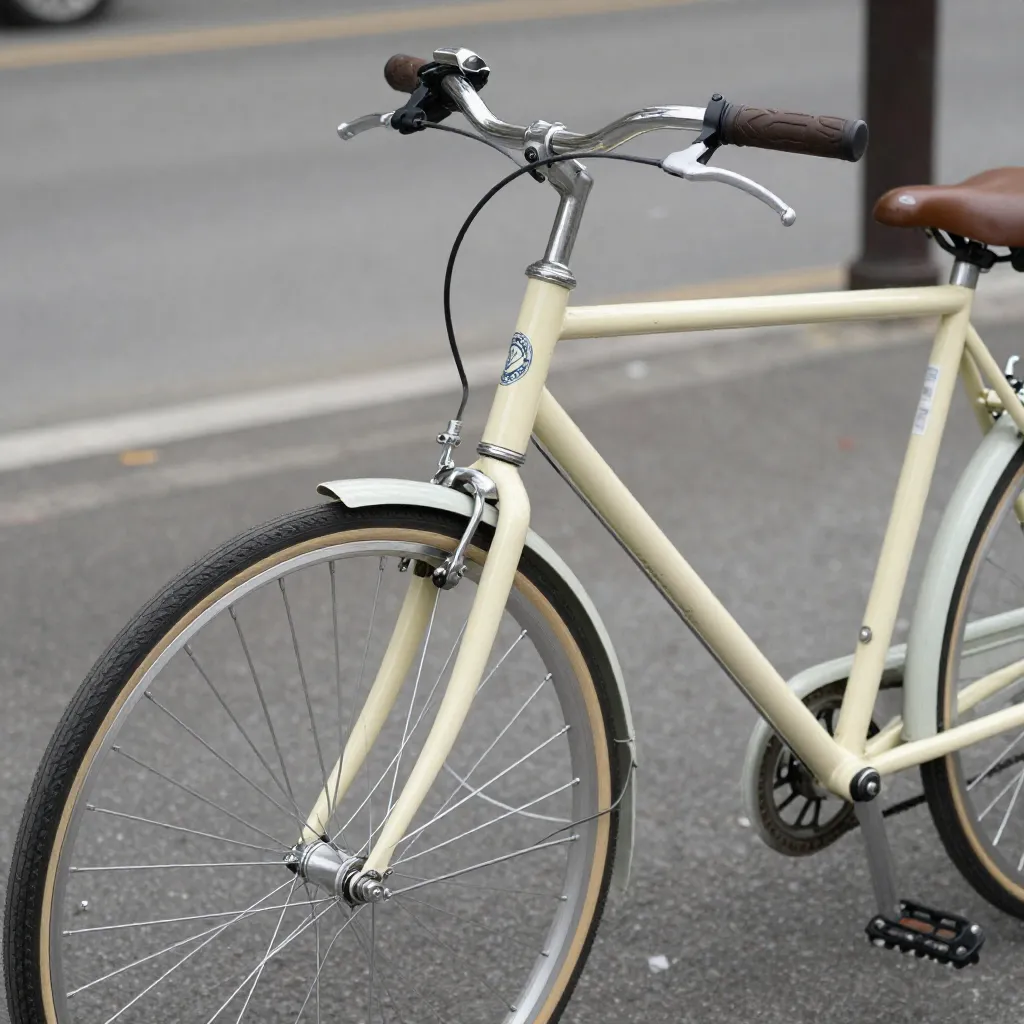
Application Techniques
Different paint application methods produce distinct surface characteristics and visual effects.
Surface Preparation
Thorough cleaning, sanding, and priming to ensure proper adhesion and smooth finish application on various frame materials.
Base Coat Application
Initial color layers applied with controlled thickness and coverage to establish the foundation for subsequent finish coats.
Effect Coat Development
Specialized layers that create visual depth, color shifts, or texture patterns depending on desired aesthetic outcome.
Protective Coating
Final clear or matte topcoats that protect underlying layers and provide resistance to environmental exposure.
Lighting Considerations
Different urban lighting conditions affect color perception, and our selection process accounts for these variations.
Daylight Exposure
How colors appear under natural sunlight conditions during various times of day.
Artificial Lighting
Color response under street lamps, building lights, and other urban illumination sources.
Shadow Interaction
How finish characteristics interact with partial shading and indirect light conditions.
Reflective Properties
Surface treatments that respond to ambient light reflections from surrounding urban environments.